


Professional Suspension System Service and Component Replacement
Understanding Your Vehicle’s Suspension System Components
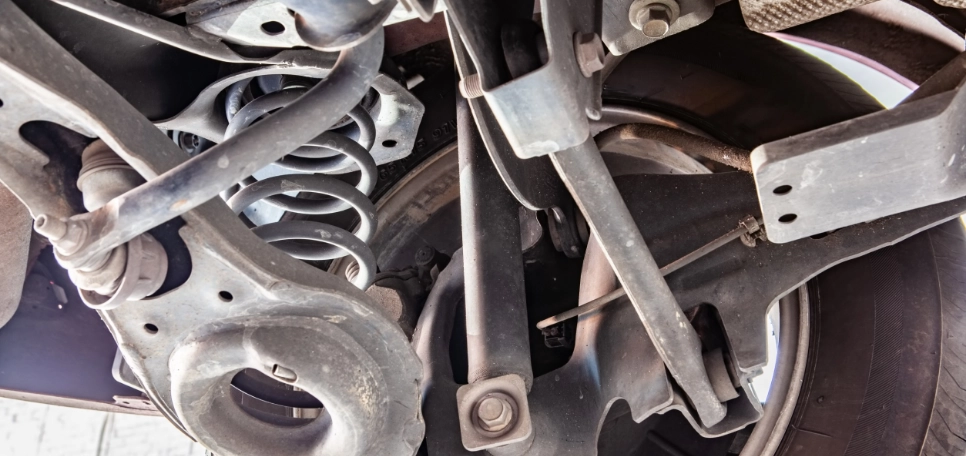
Your vehicle’s suspension system consists of multiple interconnected components that work together to provide a smooth, controlled ride while maintaining proper tire contact with the road surface. The primary components include shocks and struts that absorb road impacts, control arms that connect the wheels to the vehicle frame, and ball joints that allow steering movement while supporting the vehicle’s weight. Additional critical elements include tie rods that transfer steering input to the wheels, sway bar links that reduce body roll during turns, and various bushings that cushion connections between metal components. At Silver Lake Auto & Tire Centers’ Brookfield (Bluemound Rd.) location, our ASE-certified technicians understand how each of these suspension components affects your vehicle’s performance and safety. We utilize advanced diagnostic equipment to identify worn or damaged parts before they compromise your driving experience or lead to more expensive repairs down the road.
Warning Signs That Indicate Suspension Repair Needs
Recognizing the early warning signs of suspension problems can save you money and prevent dangerous driving conditions that put you and your passengers at risk. A rough or bouncy ride that continues after hitting bumps indicates worn shocks or struts that can no longer effectively control wheel movement. When your vehicle pulls to one side during normal driving, it often signals suspension component wear that affects wheel alignment and requires immediate attention. Uneven tire wear patterns, particularly excessive wear on the inner or outer edges, frequently result from suspension issues that alter the tire’s contact patch with the road surface. Strange knocking or clunking noises when driving over bumps or turning corners typically indicate worn ball joints, control arms, or sway bar links that need replacement. Nose diving during braking occurs when front struts lose their ability to control weight transfer, while excessive body roll when turning suggests worn sway bar components or bushings. Our experienced team at can quickly diagnose these symptoms and recommend the appropriate suspension repair solutions for your specific vehicle.
Comprehensive Suspension Services and Related Automotive Care
Our suspension repair services extend beyond simple component replacement to include comprehensive system evaluation and related automotive maintenance that ensures optimal vehicle performance. When we perform suspension work, we typically recommend wheel alignment service to ensure your tires wear evenly and your vehicle tracks straight down the road. Tire balancing and rotation services complement suspension repairs by addressing wheel and tire issues that can mask or complicate suspension problems. Our steering system inspection identifies related components that may be affected by suspension wear, while our thorough front end inspection evaluates the entire front suspension assembly for potential issues. Bushing replacement services address the rubber and polyurethane components that cushion suspension connections and reduce noise and vibration. We also provide coil spring replacement for vehicles with broken or sagging springs that affect ride height and handling characteristics. You can reach our Brookfield location at 262-288-4562 to schedule your suspension evaluation, and our team will provide a detailed digital inspection report that explains any issues we discover. Our commitment to transparency means you’ll understand exactly what repairs your vehicle needs and why they’re important for your safety and driving comfort.
Frequently Asked Questions
Most suspension components should be inspected every 12,000 to 15,000 miles or during regular maintenance visits. However, if you notice any warning signs like rough riding or unusual noises, schedule an inspection immediately regardless of mileage.
While you may be able to drive short distances with worn suspension parts, it’s not safe for extended driving. Worn components reduce vehicle control, increase stopping distances, and can lead to tire damage or complete component failure.
Simple repairs like shock or strut replacement usually take 2-4 hours, while more complex work involving multiple components may require a full day. We’ll provide an accurate time estimate based on your specific vehicle and needed repairs.
Yes, suspension components like shocks, struts, and control arms should typically be replaced in pairs to maintain balanced handling and prevent premature wear of the new component. This ensures consistent performance on both sides of your vehicle.
Ignoring suspension issues leads to accelerated tire wear, reduced fuel economy, poor handling, and potential safety hazards. Additionally, worn suspension components can cause damage to other systems, resulting in more expensive repairs over time.
Your suspension supports vehicle weight, absorbs road impact, and keeps tires planted. Proper repair maintains stability, control, and ride comfort—and we finish jobs with the correct torque at ride height on rubber bushings to avoid premature wear.
Clunks, excessive bounce, uneven tire wear, drifting in turns, or a rough ride. These typically worsen if ignored. After repairs, we perform an alignment so the new parts work as intended.
Worn parts reduce steering control, increase stopping distance, and compromise stability. Correcting issues restores predictable handling—and we calibrate the steering angle sensor (SAS) when required, since modern stability/traction systems rely on it.
Shocks/struts, control arms, bushings, ball joints, and sway bars often work as a system. We inspect how they interact, replace what’s needed, torque rubber bushings at normal ride height, and align the vehicle afterward to lock in geometry.
You’ll see faster tire wear, alignment drift, and added stress on steering/brakes. Delaying repair can also affect ADAS; after certain suspension or alignment work, many vehicles require camera/radar calibration to keep safety features aiming and performing correctly. Early repairs protect ride quality and reduce long-term cost.